

 English
 中文简体
中文简体
How Does the Manufacturing Process of Spunlace Nonwoven Fabric Affect Product Performance?
Posted by Admin | 01 Jan
Spunlace nonwoven fabric, as an important component of modern textile materials, has become an indispensable material choice in medical, industrial, home, and personal care fields due to its excellent physical properties and wide applicability. With continuous technological advancements, the application scenarios of spunlace nonwoven fabric are constantly expanding, and its unique structure and function have attracted widespread attention in the industry.
Basic Structure and Characteristics of Spunlace Nonwoven Fabric
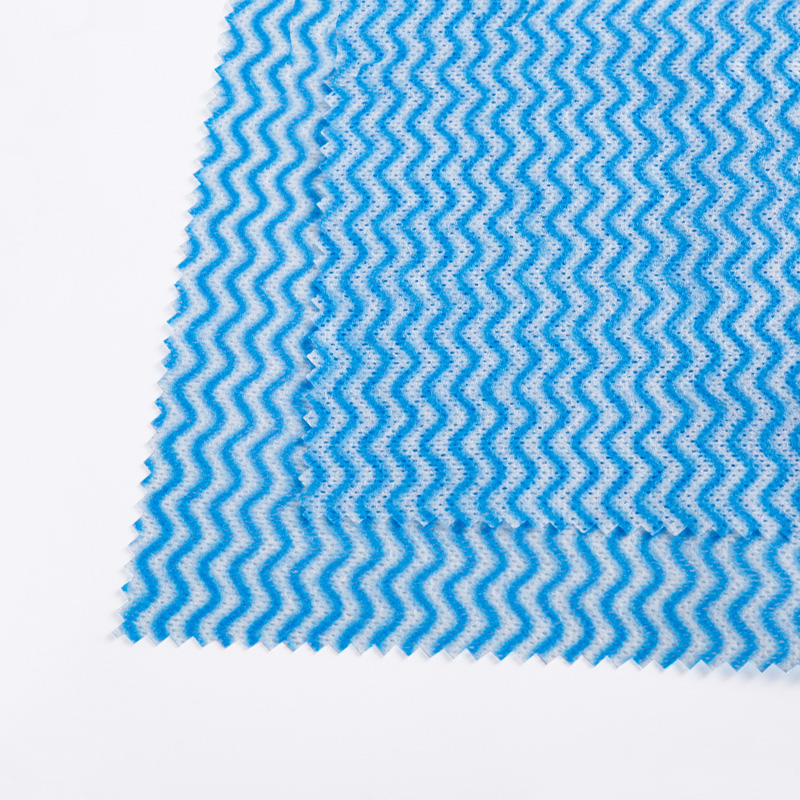
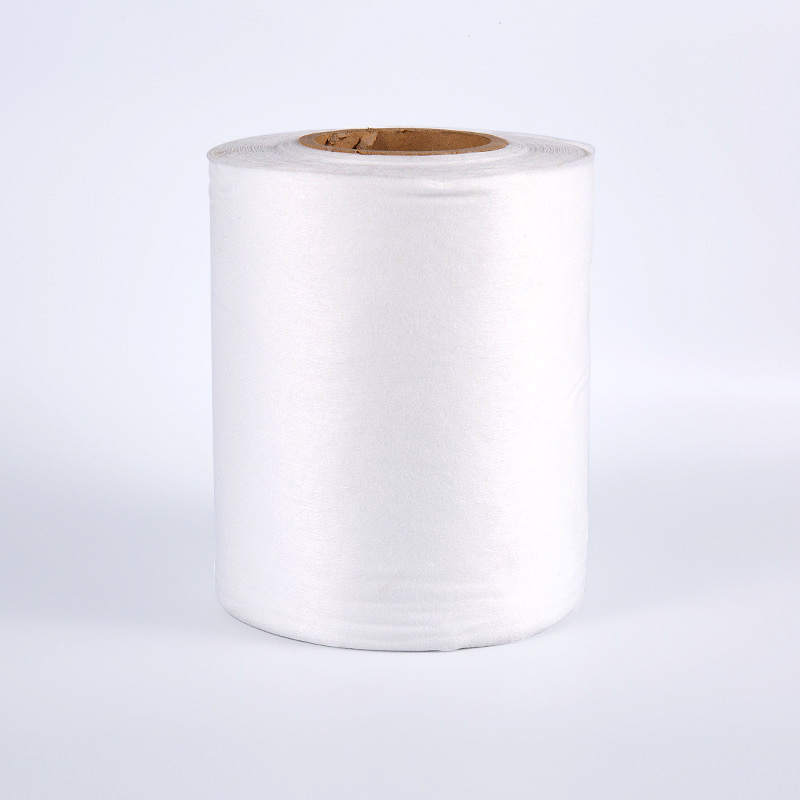
Spunlace nonwoven fabric is a nonwoven fabric material formed by the entanglement of fibers using high-pressure water jets. The core characteristic of this material is that the fibers are not fixed by traditional needle punching or adhesives, but rather utilize high-pressure water jets to form a fiber network, thus ensuring the overall strength and flexibility of the fabric. The natural entanglement of the fibers allows the material to maintain a soft feel while possessing high tear resistance and tensile strength.
Compared with other types of nonwoven fabrics, spunlace nonwoven fabric has significant water absorption and breathability, mainly due to its unique fiber arrangement and porous structure. This material can not only quickly absorb liquids but also maintain dryness and comfort, which is particularly important in personal care and medical protection fields. In addition, spunlace nonwoven fabric has a smooth surface and is less prone to shedding fibers, meeting the needs of high-end cleaning and care products.
Analysis of Advanced Manufacturing Processes
The production process of spunlace nonwoven fabric is centered on the hydroentanglement process, which determines the final performance and application effect of the material. First, the fiber raw materials are pre-treated through processes such as opening and carding to form a uniform fiber web. Subsequently, the fiber web undergoes entanglement under the action of high-speed, high-pressure water jets, forming a stable structure without glue or adhesives. Throughout this process, the fiber arrangement density, jet pressure, and nozzle design all directly affect the softness, strength, and surface texture of the material.
With the upgrading of process technology, modern spunlace nonwoven fabric production can achieve customized thicknesses and densities to meet the needs of different application scenarios. Through precise control of hydroentanglement parameters and fiber combinations, the material can possess both comfort, protection, and durability, which is one of the reasons why it is gradually gaining favor in the high-end market.
Material Properties and Advantages
Spunlace nonwoven fabric offers multiple advantages in terms of performance. Firstly, its softness and skin-friendly properties make it excellent for applications involving direct contact with the skin, without causing allergies or irritation. Secondly, its high strength and tear resistance ensure that the material is not easily damaged during use, extending the product's lifespan. Its excellent water absorption and breathability give the material an irreplaceable advantage in cleaning, hygiene, and medical care fields.
In addition, spunlace nonwoven fabric has good processability, allowing for functional enhancement through processes such as printing, coating, and lamination. Waterproof, antibacterial, and antistatic treatments can all be applied without compromising the original softness. This highly customizable characteristic allows for an ideal balance between functionality and comfort.
Wide Application Value
Thanks to its unique properties, spunlace nonwoven fabric has a wide range of applications. In the medical field, it can be used in surgical gowns, isolation gowns, medical dressings, and masks, providing effective protection and comfort. In the home and personal care fields, spunlace nonwoven fabric is widely used in wet wipes, baby care products, and beauty fabrics, meeting high-quality consumer demands. The industrial sector is also increasingly using spunlace nonwoven fabric for the production of filter materials and cleaning cloths, leveraging its durability and water absorption advantages.
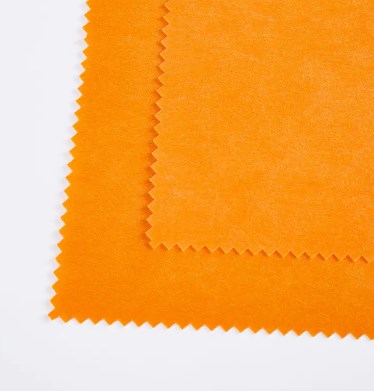
Due to its naturally soft and recyclable characteristics, the application potential of spunlace nonwoven fabric in environmentally friendly products is also becoming increasingly prominent. Manufacturers can adjust the fiber composition according to market demand to produce biodegradable or recyclable materials, thus balancing performance with sustainability goals.
Future Development and Innovation Directions
With the continuous advancement of fiber technology and nonwoven fabric processes, spunlace nonwoven fabric still has room for further improvement in functionality, comfort, and environmental friendliness. By optimizing fiber structure, improving the spunlace process, and developing composite materials, future spunlace nonwoven fabrics are expected to achieve breakthroughs in lightweighting, antibacterial properties, antistatic properties, and ecological biodegradability, providing more possibilities for high-end medical, personal care, and industrial applications.
At the same time, as consumers' attention to quality and health increases, the demand for softness, safety, and environmental performance will drive spunlace nonwoven fabric towards higher value-added development. This means that the materials must not only meet functional requirements but also consider comfort and sustainability, thus creating a dual-driven approach of technology and market demand.
FAQ
Q1: What are the main fiber types used in Spunlace Nonwoven Fabric?
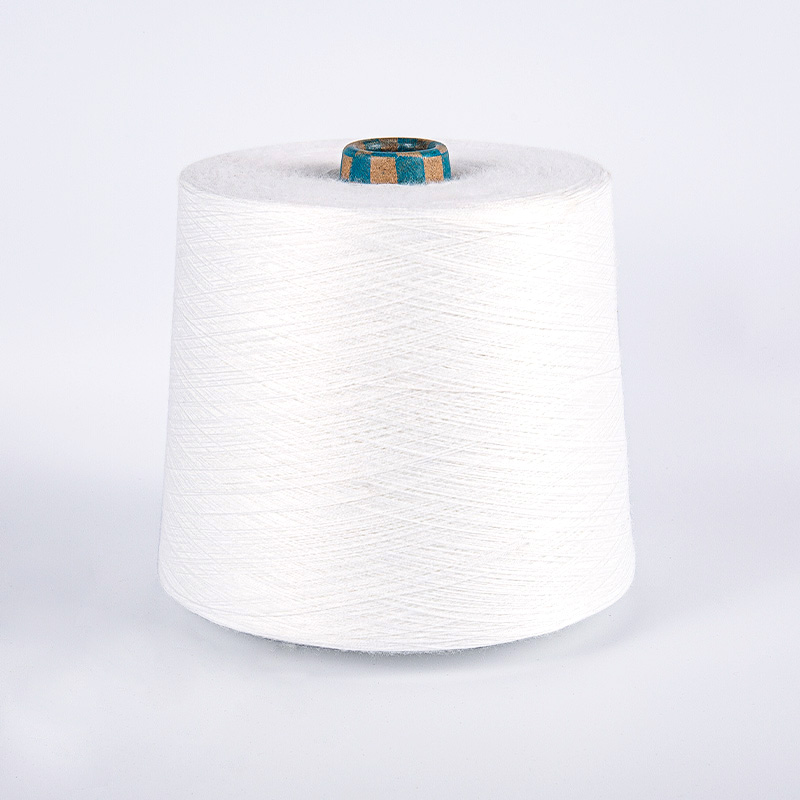
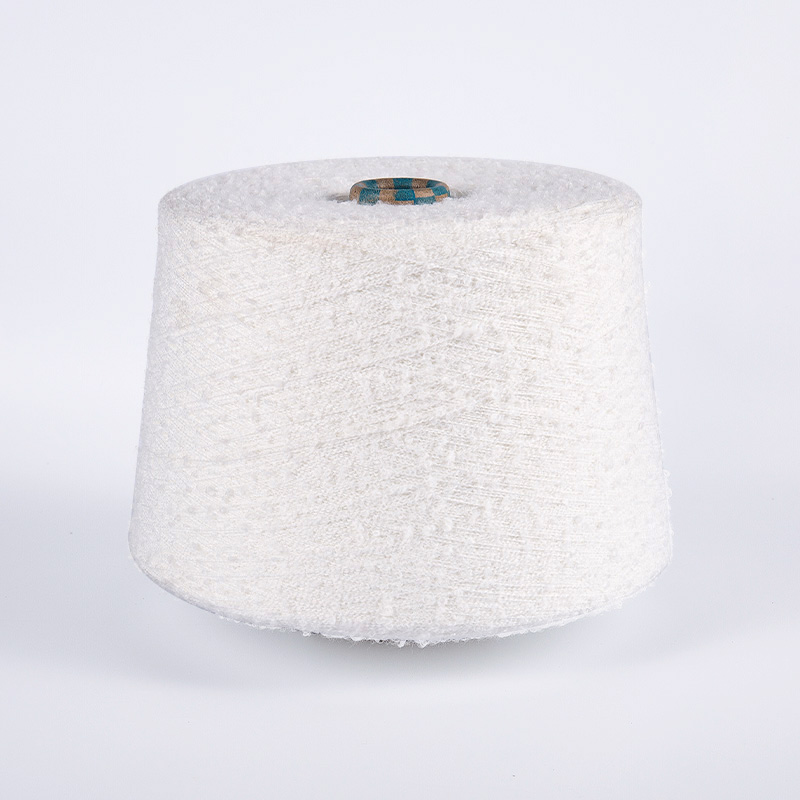
A1: Typically, polyester, viscose, and their blends are used. A stable fiber network is formed through the hydroentanglement process. Different fiber combinations can achieve varying degrees of softness, water absorption, and durability.
Q2: Why is Spunlace Nonwoven Fabric soft and breathable?
A2: Its softness and breathability stem from the glue-free, interwoven structure of the fiber network. The hydroentanglement process ensures that the fibers form a uniform, porous network while maintaining overall strength, thereby improving water absorption and air permeability.
Q3: Can this material undergo functional treatments?
A3: Yes. Spunlace Nonwoven Fabric can be enhanced with functions such as waterproofing, antibacterial properties, and antistatic properties through coating, lamination, and printing, while maintaining its softness and durability.
Q4: How does Spunlace Nonwoven Fabric perform in terms of environmental protection?
A4: With the development of environmentally friendly materials and biodegradable fibers, Spunlace Nonwoven Fabric can be produced using biodegradable fibers or recycled polyester, achieving environmentally friendly products that balance performance and sustainability.
+86-18857350038

