

 English
 中文简体
中文简体


How strong are the performance characteristics of Medical Nonwoven Fabric? Why can it meet high hygiene standards?
Posted by Admin | 22 Dec
In the medical and healthcare industry, Medical Nonwoven Fabric has become an indispensable material in daily diagnosis and treatment processes due to its excellent performance and wide range of applications. Whether in surgery, emergency care, or various aspects of patient care, the role of medical nonwoven fabric is particularly important.
Basic Concepts of Medical Nonwoven Fabric
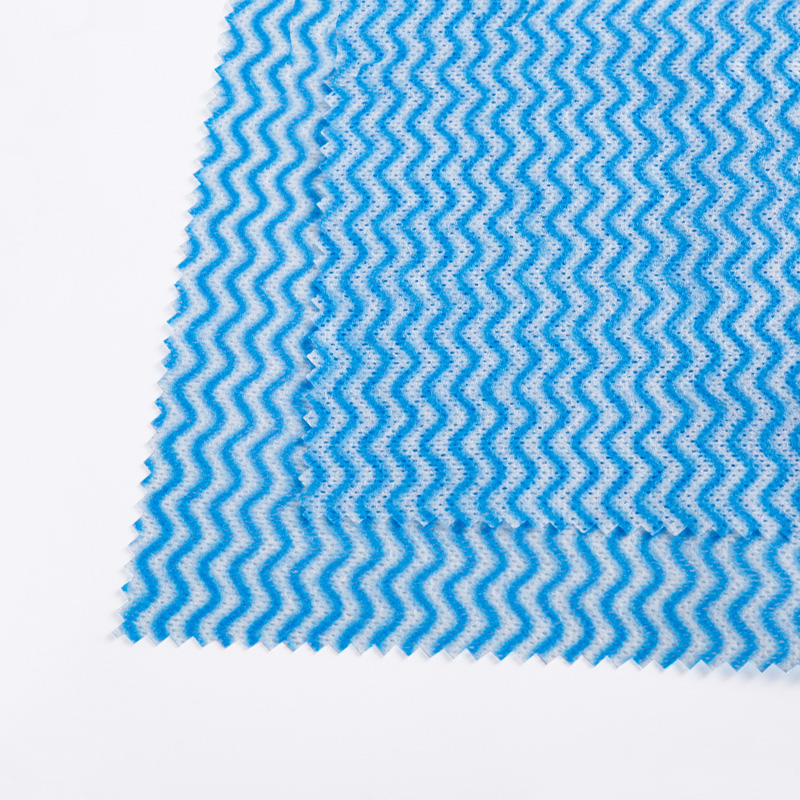
Medical nonwoven fabric is a non-woven fabric made from natural or synthetic fibers through physical, chemical, or mechanical methods. Because it does not require weaving or knitting processes, but rather forms a fabric structure through the bonding or compression of fibers, this material possesses multiple advantages such as breathability, softness, moisture absorption, and water resistance, making it very suitable for use in medical environments.
Compared with traditional fabrics, the production process of nonwoven fabric is relatively simple, saving time and costs in large-scale production, while also meeting strict hygiene standards. For this reason, it is widely used in the medical field, especially in environments requiring high-standard hygiene management.
Performance Characteristics of Medical Nonwoven Fabric
The excellent performance of medical nonwoven fabric makes it one of the commonly used materials in the medical industry. First, medical nonwoven fabric has excellent breathability, which means that it is less likely to cause allergies or discomfort when in prolonged contact with the skin, maintaining good comfort. Breathability also helps reduce the growth of bacteria and fungi, helping to keep wounds dry and clean, thereby reducing the risk of infection.
Medical nonwoven fabric has extremely strong moisture absorption, effectively absorbing sweat, body fluids, and other secretions, helping to keep wounds clean and dry and preventing infections caused by damp environments. Softness is another outstanding advantage of medical nonwoven fabric; it provides good contact with the skin, ensuring comfort and a positive patient experience. These properties make medical nonwoven fabric an indispensable material in medical products such as wound dressings, surgical gowns, and surgical drapes.
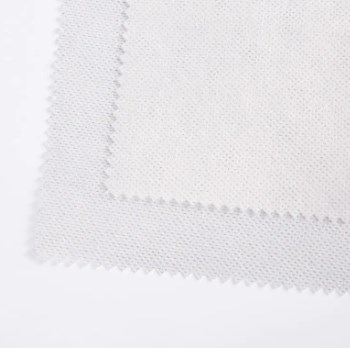
More importantly, medical nonwoven fabric has good biocompatibility, meaning that it will not cause allergic reactions or other discomfort when in contact with the human body. This characteristic makes it exceptionally safe for use in wound care, implant coverings, and other applications requiring direct contact with the skin.
Main Application Areas of Medical Non-woven Fabrics
Medical non-woven fabrics have a wide range of applications, covering various needs from wound care to operating rooms. In the manufacturing of medical products, they are often used as basic materials, such as wound dressings, surgical gowns, surgical drapes, and medical masks. These products effectively enhance the safety of medical procedures and reduce the risk of infection.
In wound care, the moisture absorption and breathability of medical non-woven fabrics make them an ideal choice for wound dressings. Whether it's a minor abrasion or a complex wound, medical non-woven fabrics provide gentle and effective coverage, helping wounds heal quickly.
During surgery, surgical gowns and drapes made of medical non-woven fabrics not only prevent external bacteria from entering the wound but also keep the surgical area clean and dry. At the same time, the design of these materials also considers the comfort of doctors and patients, making the surgical process smoother.
Medical masks and goggles are also common applications of medical non-woven fabrics. With the outbreak of the pandemic, protective masks have become a necessity in people's lives. Medical non-woven fabrics can effectively block the invasion of bacteria, viruses, and other harmful substances while maintaining breathability, ensuring comfort during prolonged wear.
Production Process and Quality Control of Medical Non-woven Fabrics
The production process of medical non-woven fabrics is complex and rigorous, usually employing different production processes such as melt-blown, spunbond, or hydroentanglement methods. These processes control key parameters such as the thickness, density, and porosity of the non-woven fabric, thus ensuring its performance in practical applications.
Melt-blown is currently the most common production technology. It involves melting polymer materials and spraying them into fibers using a high-speed airflow, ultimately forming a fabric. This method produces a fine fiber structure with high filtration performance and is widely used in the production of masks and air filtration materials.
Hydroentanglement uses high-pressure water jets to weave fibers together, forming a tight fiber network. This type of non-woven fabric has good softness and water absorption, making it suitable for medical products that come into contact with the skin, such as wound dressings.
Regardless of the production process used, the quality of medical non-woven fabrics must be strictly controlled to ensure that they provide reliable protection during use. During the production process, strict hygiene control is often required to ensure that the non-woven fabric does not contain harmful substances and can pass necessary certifications such as antibacterial tests and durability tests.
FAQ
1. What are the main advantages of medical non-woven fabrics?
Medical non-woven fabrics have advantages such as good breathability, softness and comfort, strong moisture absorption, and high biocompatibility, providing good contact with the skin and avoiding discomfort or allergies.
2. What are the production processes for medical non-woven fabrics?
Common production processes include melt-blown, spunlace, and spunbond methods. These processes bond fibers together in different ways to meet various medical needs.
3. What medical products commonly use medical non-woven fabrics?
Medical non-woven fabrics are widely used in medical products such as wound dressings, surgical gowns, surgical drapes, and face masks, providing effective protection, moisture absorption, and breathability.
4. Are medical non-woven fabrics environmentally friendly?
With increasing environmental awareness, more and more research is dedicated to improving the biodegradability and environmental performance of medical non-woven fabrics to reduce their environmental impact while meeting medical needs.
+86-18857350038

