

 English
 中文简体
中文简体
How Does Sizing Home Cleaning Non-Woven Fabric Improve Cleaning Efficiency and User Experience?
Posted by Admin | 08 Dec
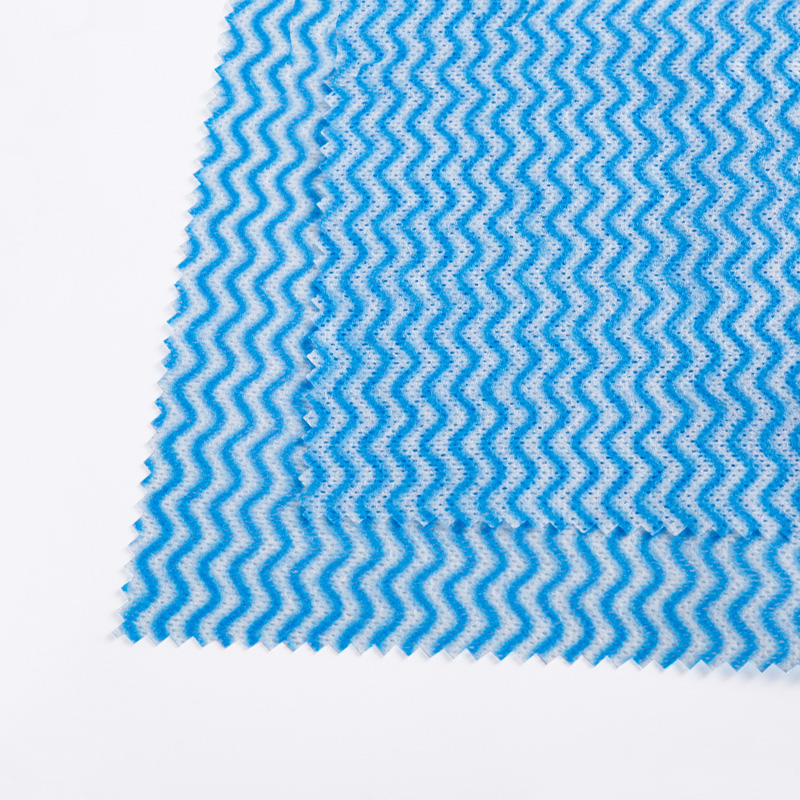
In modern home life, the choice of cleaning products directly impacts household hygiene and user experience. In recent years, Sizing Home Cleaning Non-Woven Fabric has gradually become an important choice in both home and professional cleaning fields due to its unique material advantages and efficient cleaning capabilities.
Non-woven Fabric Basics: Structural and Material Advantages
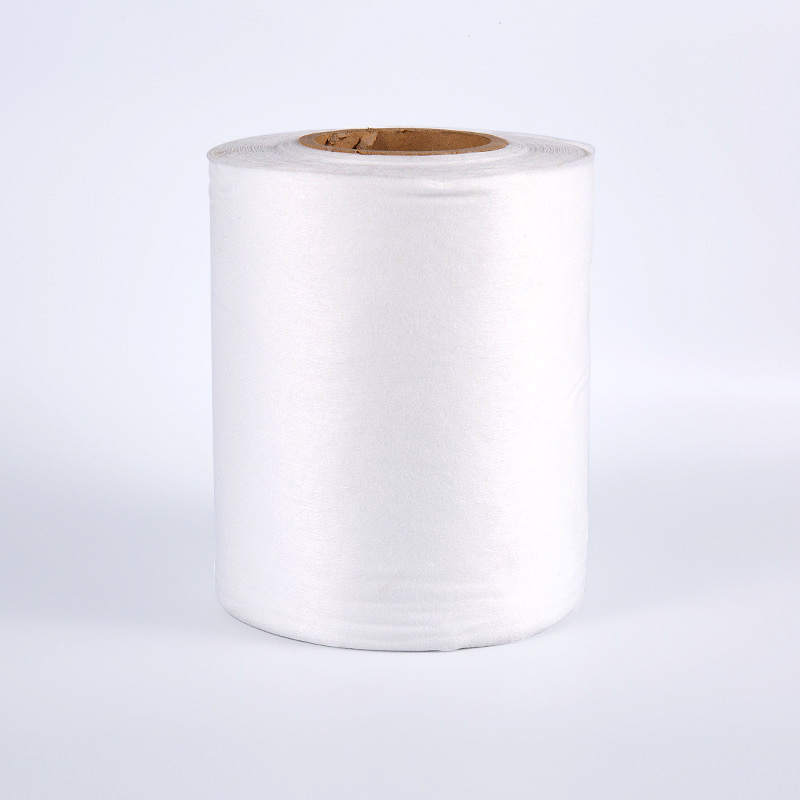
As a non-woven material, non-woven fabric differs from traditional textiles. It forms a cohesive structure through fiber interweaving or bonding, rather than through weaving or knitting. This structure gives non-woven fabric unique flexibility and strength, making it highly durable and absorbent during cleaning.
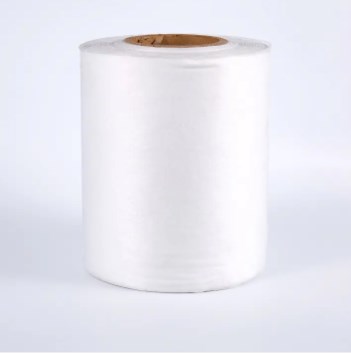
Sizing Non-woven Fabric: Based on ordinary non-woven fabric, a certain proportion of sizing agent is applied or impregnated to create a uniform and fine coating on its surface. Sizing not only enhances the fabric's stiffness and tensile strength but also improves the surface's efficiency in capturing dust and liquids. This technical feature enables sizing non-woven fabric for home cleaning to exhibit high efficiency in wet wiping, dry wiping, and cleaning various surface materials.
Manufacturing Process Determines Product Performance
The core performance of sized nonwoven cleaning fabrics lies in their manufacturing process. From raw material selection to post-processing, every step directly impacts the final cleaning effect. High-quality fiber materials are fundamental, typically using polymer fibers such as polyester and polypropylene, which are formed into a preliminary nonwoven fabric substrate through meltblowing or needle punching processes. Then, after sizing, a tighter network structure is formed between the fibers, while maintaining a certain degree of breathability and flexibility. This process ensures that the nonwoven fabric is both tough and lint-free, meeting the needs of long-term cleaning use.
The key to the sizing process lies in the uniform application of the sizing agent and controlled drying. Appropriate sizing increases the friction of the fabric surface, making it more efficient at cleaning dust and stains; while a proper drying process maintains the fabric's flexibility and durability, preventing hardening and a reduced user experience.
Cleaning Performance and Home Applications
The biggest advantage of sized nonwoven cleaning fabrics lies in their superior cleaning performance. The sized surface better traps dust, hair, and oil, especially in dry and light wet wiping, rapidly improving cleaning efficiency. Meanwhile, the fabric is soft yet resilient, won't scratch furniture surfaces, and is suitable for various materials, including wooden furniture, glass, metal, and plastic surfaces.
The absorbency and abrasion resistance of this non-woven fabric also ensure optimal wet cleaning. When the cloth comes into contact with stains, it fully releases moisture and detergent while maintaining its shape and strength, preventing tearing or deformation. Whether in the kitchen, living room, or bathroom, sized non-woven cleaning fabrics can adapt to various scenarios, becoming a core material in home cleaning tools.
Product Selection and User Experience
Choosing high-quality sized non-woven cleaning fabrics is key, focusing on the fabric's thickness, flexibility, and even sizing. A moderately thick fabric ensures cleaning power without adding to the wiping burden; a flexible fabric can adapt to the unevenness and corners of furniture surfaces; and an evenly sized fabric ensures that dust and stains are fully captured during cleaning, leaving little residue.
In terms of user experience, sized non-woven fabrics not only improve cleaning efficiency but also offer ease of use and long-term durability. Proper sizing gives the fabric a certain stiffness, making it easy to fold, roll, and reuse multiple times without quickly wearing down or losing its cleaning power due to frequent washing. This combined performance allows users to perform daily household cleaning more effortlessly and efficiently.
Environmental and Sustainability Considerations
With increasing environmental awareness, household cleaning products face dual requirements regarding materials and lifespan. Non-woven fabrics can achieve a lower environmental impact during production by optimizing fiber selection and sizing formulas. At the same time, due to the greater durability of sized non-woven fabrics, they can maintain performance during repeated cleaning, reducing waste of disposable cleaning products. This environmentally friendly characteristic makes them more popular among families pursuing a green lifestyle.
FAQ
Q: What is the difference between Sizing Home Cleaning Non-Woven Fabric and ordinary non-woven fabric?
A: The main difference lies in the sizing process. After being coated with sizing agent, sized non-woven fabric has a more resilient surface, stronger friction, and a higher ability to clean dust and stains, while maintaining flexibility and being less prone to shedding or tearing.
Q: Is sized non-woven fabric suitable for wet or dry wiping?
A: Both are suitable. Dry wiping effectively captures dust and hair, while wet wiping fully releases moisture and detergent while maintaining the fabric's shape and strength.
Q: How durable are sized nonwoven cleaning fabrics?
A: Due to the sizing process enhancing the fabric's structural strength, its abrasion resistance and toughness are significantly improved. It can be washed and reused multiple times, with a longer lifespan than ordinary nonwoven fabrics.
Q: Will using sized nonwoven fabrics damage furniture surfaces?
A: No. The fabric is soft yet moderately stiff, safe for use on various surface materials, and will not scratch wood, glass, or metal surfaces.
Q: Are sized nonwoven cleaning fabrics environmentally friendly?
A: Compared to disposable cleaning products, sized nonwoven fabrics are more durable and can be reused multiple times, thus reducing waste. Furthermore, by optimizing materials and processes, a lower environmental impact can be achieved.
+86-18857350038

